
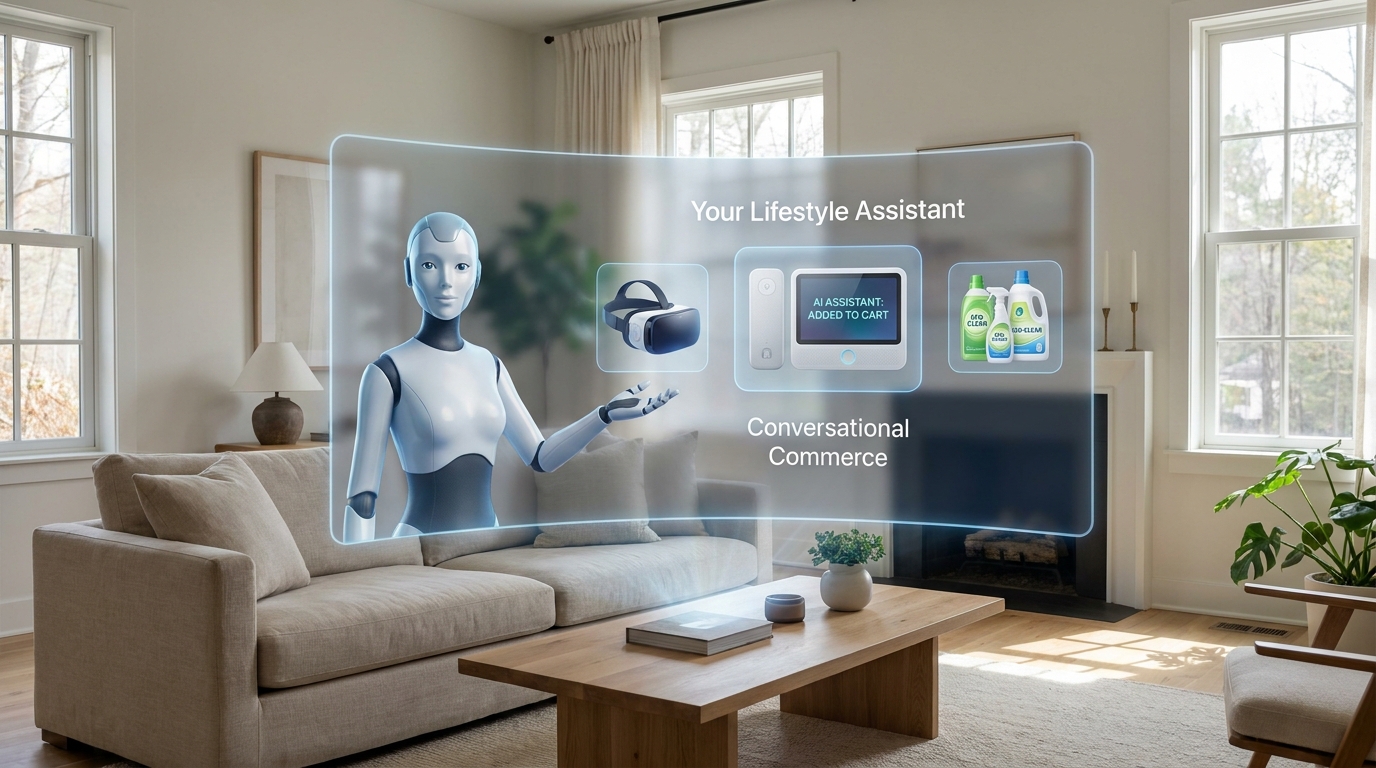
The integration of advanced algorithms into e-commerce ecosystems fundamentally alters consumer behavior. Shoppers increasingly abandon traditional keyword search methods in favor of intuitive interactions. At the core of this transformation sits the virtual retail concierge, a sophisticated software architecture built to replicate human expertise. These interactive platforms process natural language queries to supply specific lifestyle guidance and curated product selections. By rapidly analyzing immense inventories, the system cross-references user constraints against available stock to eliminate decision fatigue. Consumers no longer need to sift through irrelevant results; instead, they receive direct, objective answers. Platforms operating within this space act as comprehensive interactive guides. They deliver maintenance tutorials, expert insights, and targeted suggestions tailored perfectly to individual requirements. This evolution guarantees that information reaches the buyer efficiently and accurately.
The architecture driving a virtual retail concierge
Modern e-commerce infrastructure relies on robust machine learning frameworks and natural language processing. A virtual retail concierge moves beyond exact keyword matches by understanding the semantic context of consumer queries. This capability empowers the system to interpret nuanced requests accurately. If a shopper needs a durable beginner racket for a specific court sport, the engine identifies the underlying intent rather than simply populating a list of all rackets. The technology continuously monitors interactions, historical purchase data, and broad market trends to refine predictive modeling. Industry experts note that effective platforms seamlessly integrate these algorithms with expansive, highly categorized databases. Whenever a user submits a query, the application parses the text to identify critical constraints like budget and brand preference. The system filters the database instantly to output a highly curated selection, requiring substantial computational power for real-time operation.
Learning mechanisms of a virtual retail concierge
An intelligent infrastructure learns from every consumer interaction to improve future accuracy. Whenever a buyer rejects a specific suggestion, the virtual retail concierge adjusts its filtering parameters for subsequent interactions. This iterative learning process proves essential for platforms aiming to deliver effortless navigation across diverse categories. Maintaining a high standard of data processing ensures that recommendations stay objective, accurate, and highly relevant to immediate consumer needs. Furthermore, deep product data structuring acts as the foundation for these automated systems. Products with poorly categorized backend data effectively disappear from the discovery process. Therefore, optimized catalogs empower the algorithm to match features precisely. The technological backbone supporting these intelligent agents represents a massive investment in consumer satisfaction. Prioritizing accuracy over sheer volume allows retailers to build trust while providing a significantly enhanced discovery journey.
Navigating complex technology with a virtual retail concierge
Consumer electronics represent a highly challenging sector due to rapid innovation and intricate technical specifications. A virtual retail concierge provides immense value when shoppers navigate the complex markets of virtual reality and spatial computing. Selecting the right headset demands an understanding of resolution, refresh rates, field of view, and processing power. The automated assistant evaluates these variables alongside budget constraints to pinpoint appropriate hardware. Instead of forcing users to independently research benchmarks, the platform synthesizes specifications into clear, objective comparisons. This principle applies heavily to smart home ecosystem implementation. Configuring secure home networks requires verifying compatibility across multiple devices and communication protocols. The system guides users through step-by-step setup sequences while identifying devices that integrate seamlessly with existing setups. Buyers receive factual guidance without encountering confusing technical jargon, ensuring successful home automation projects.
Demystifying electronics for every consumer
Innovative platforms utilize this structured methodology to simplify advanced electronics for hobbyists and mainstream consumers alike. By operating as an intelligent retail companion, the platform objectively assesses performance metrics across various technical components. It transforms dense manufacturer specifications into straightforward, actionable insights. This approach directly empowers consumers to make informed purchasing decisions within a rapidly shifting technological landscape. Furthermore, the system eliminates the intimidation factor associated with adopting early-stage innovations. Shoppers gain the confidence to invest in spatial computing and interconnected home infrastructure. They trust that their selected hardware will yield the desired outcomes and integrate flawlessly into their daily routines. Ensuring this level of clarity solidifies the role of automated guides in bridging the gap between cutting-edge technology and everyday consumer accessibility.
Virtual retail concierge strategies for sustainable living
The utility of automation extends beyond initial product discovery to encompass long-term lifestyle management and item maintenance. Consumers continually demand actionable advice for extending the lifespan of their purchases. A virtual retail concierge fulfills this need by sourcing specific replacement components and delivering comprehensive maintenance tutorials. Automotive enthusiasts can access exact-match auto parts alongside tuning tutorials based on the make and model of their vehicle. This precision saves immense amounts of time and financial resources. Additionally, collectors relying on mechanical watch care instructions receive detailed guidelines regarding storage, cleaning, and professional servicing intervals. Beyond preservation, these systems facilitate critical shifts toward environmentally conscious living. The assistant quickly identifies sustainable alternatives and eco-friendly household items. Users interested in green initiatives discover straightforward DIY cleaning recipes that reduce plastic waste and eliminate harsh chemical exposure.
Verifying eco-friendly claims objectively
The objective framework of the engine ensures that it evaluates sustainable items based on verified environmental certifications rather than deceptive marketing claims. Platforms operating as holistic lifestyle guides integrate these sustainability features to support the complete consumer journey. Delivering expert tutorials alongside product matching ensures users possess the necessary knowledge to maintain their investments properly. Shoppers can confidently pursue a greener lifestyle knowing the system filters out misleading greenwashing tactics. The comprehensive nature of the platform transforms casual browsing into an educational experience. Buyers understand exactly why a specific eco-friendly swap benefits both their household and the environment. This transparency fosters long-term brand loyalty and encourages consumers to make conscientious choices consistently. The structured integration of ethical consumption data proves essential for modern digital retail environments.
Specialized equipment selection via a virtual retail concierge
Selecting gear for specialized hobbies demands deep knowledge regarding the activity and the specific proficiency of the user. A virtual retail concierge addresses this complexity by acting as an expert consultant capable of assessing skill levels. In rapidly expanding sports like padel, beginners require vastly different gear than seasoned competitors. The system evaluates self-reported experience to pinpoint rackets featuring the correct weight, balance, and material composition. This precision prevents injury while accelerating skill development. Furthermore, the platform supplies comprehensive instructional guides covering rules, scoring systems, and basic techniques. This approach works equally well for musical instruments and acoustic equipment. The assistant guides aspiring musicians through selecting their first instrument by factoring in musical preferences, budget limitations, and acoustic needs. It objectively analyzes tonal qualities to present an optimal, curated list of choices.
Curating resources for family development
The curation of educational materials demands a high degree of personalization. Parents often struggle to identify developmentally appropriate toys and literature within an expansive marketplace. The automated platform solves this challenge by cross-referencing a child’s age, cognitive milestones, and personal interests against a robust database. This ensures that recommended items actively support child development rather than serving merely as entertainment. The system assesses the educational value, safety certifications, and material durability of each item to provide a reliable pre-purchase evaluation. In the context of literature, the engine analyzes past reading habits and stylistic preferences to introduce readers to new authors. For individuals attempting to build consistent reading habits, the automated buying companion suggests highly rated titles matching their availability. This methodical curation fosters educational growth seamlessly.
Improving experiences with a virtual retail concierge
Deploying interactive communication channels fundamentally alters the buyer journey by replacing static web pages with dynamic dialogue. This model empowers users to refine searches in real time, creating an entirely frictionless environment. When interacting with a virtual retail concierge, consumers do not need to input perfect search parameters initially. They engage in a natural conversation, supplying additional context as the dialogue progresses. If the system recommends a broad selection of skincare items, the buyer can instantly request a narrower list of vegan or cruelty-free options. The engine processes this fresh information immediately to update suggestions without forcing the user through complex filtering menus. This immediate responsiveness defines platforms striving to make online shopping completely effortless. The interactive format builds confidence, allowing shoppers to ask follow-up questions regarding specifications, warranties, or shipping times directly.
Scaling a virtual retail concierge for maximum ROI
The broader economic impact of these automated systems proves substantial for the global retail industry. Leading organizations recognize that generative AI applications reinvent the end-to-end customer journey, transforming casual browsers into loyal buyers. According to highly respected industry analysis detailing how to scale generative AI in retail, deploying these automated chatbots creates massive value by driving unprecedented personalization. Retailers moving past initial experimentation phases integrate these concierges directly into their core business operations. The technology manages virtual shopping carts, schedules deliveries, and resolves complex customer service inquiries autonomously. Market data indicates that this conversational approach significantly minimizes decision fatigue while maximizing overall user satisfaction. By simulating the attentive service of a dedicated human expert, the platform ensures consumers feel supported throughout the entire purchasing lifecycle. This capability cements automation as a permanent structural shift.
Conclusion
The expansion of intelligent automation across digital retail eliminates the friction traditionally associated with online shopping. A virtual retail concierge replaces endless manual searching with precise, data-driven curation tailored perfectly to individual needs. The architecture driving these platforms guarantees objective recommendations aligned with stated constraints and preferences. This technology proves indispensable across every retail category, from simplifying complex electronics purchases to identifying sustainable household alternatives. Interactive dialogue allows users to refine inquiries organically and secure exactly what they require. Whether a shopper needs detailed automotive tutorials, padel guides, or curated literature, the system delivers factual, reliable assistance. As machine learning algorithms continue to advance, consumer reliance on intelligent interactive platforms will inevitably deepen. These automated ecosystems have established themselves as the definitive standard for informed, efficient, and highly personalized consumer decision-making in modern commerce.