
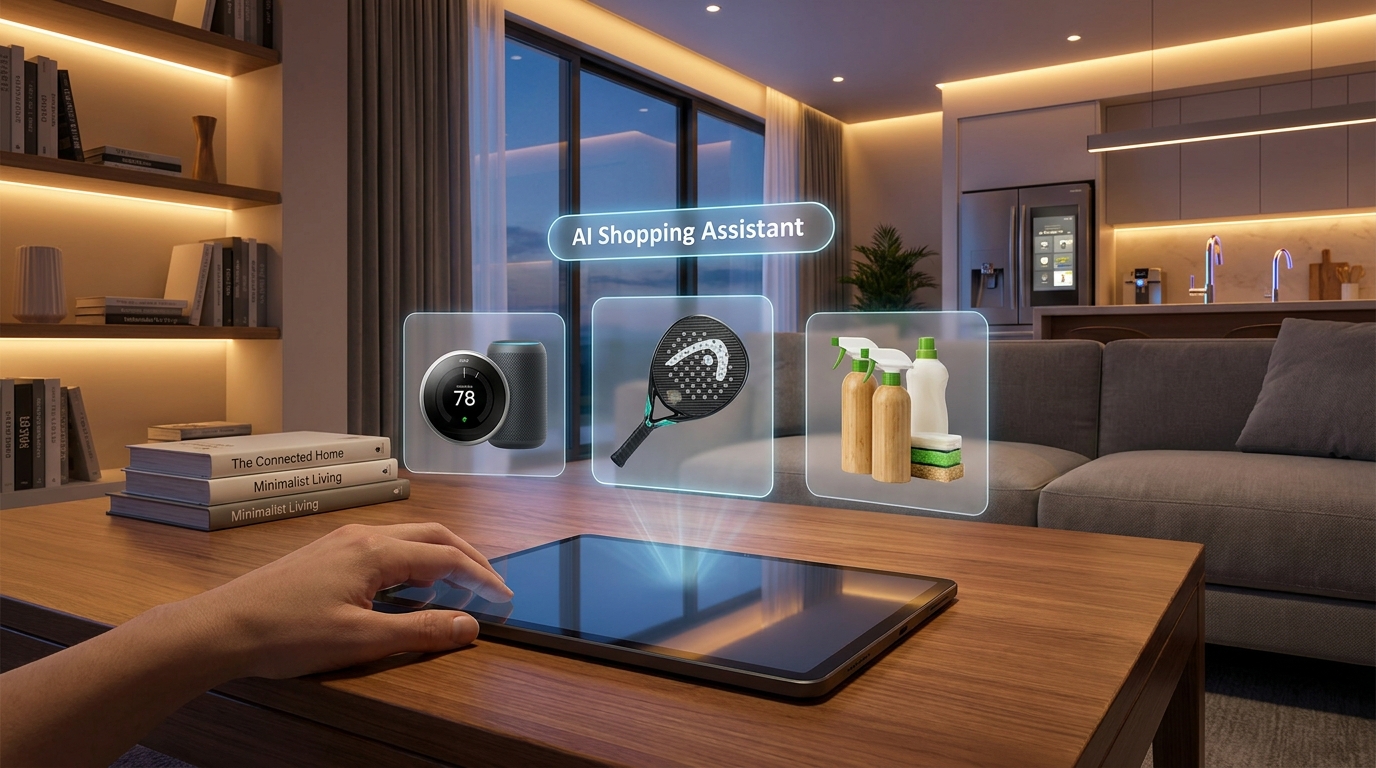
The modern consumer landscape presents an overwhelming array of choices, making informed purchasing decisions increasingly difficult. Predictive retail technology fundamentally transforms this dynamic, offering unprecedented tools that guide buyers toward optimal selections. Advanced digital platforms analyze massive datasets to deliver tailored recommendations. These sophisticated systems operate as comprehensive lifestyle guides, streamlining the acquisition of complex products across diverse categories. By utilizing an inverted pyramid approach to information delivery, the algorithms present critical product specifications immediately. This structural efficiency allows users to navigate crowded markets with absolute clarity, ensuring that every purchase aligns perfectly with their precise requirements.
Integrating sophisticated algorithms allows these interactive systems to address highly specific consumer needs effortlessly. Platforms handle inquiries ranging from technical sports equipment mechanics to complex home automation networks. Pick it Quick exemplifies this technological advancement by functioning as a centralized digital concierge. Through dynamic features, the platform offers expert guidance, detailed maintenance protocols, and carefully curated product recommendations. This seamless synthesis of vast data and intuitive user interface design guarantees successful lifestyle upgrades. Individuals seeking to optimize their daily routines or manage their households execute well-supported decisions without experiencing the traditional friction associated with extensive independent research.
The core architecture of predictive retail technology
The foundational programming driving modern digital assistants relies on sophisticated machine learning algorithms and natural language processing. These intelligent systems interpret user queries, analyze historical purchasing data, and scan vast market inventories in real time. The primary objective centers on eliminating the overwhelming volume of choice that typically paralyses consumers. By processing multiple variables simultaneously, predictive retail technology isolates the most relevant products rapidly. This continuous analytical capability ensures that recommendations align perfectly with the specified requirements of the user, filtering out irrelevant noise.
A critical component of this architecture involves interactive conversational interfaces. These digital pathways allow for a dynamic exchange of information, where the system continuously refines its search parameters based on active user feedback. When a consumer requests guidance on a lifestyle upgrade, the algorithm evaluates market availability, aggregates consumer reviews, and compares technical specifications. This rigorous analytical process guarantees objective, impartial, and strictly informative recommendations. Eliminating human bias in the initial selection phase gives consumers a massive advantage when seeking factual product comparisons. The National Retail Federation highlights technology that scales cost-effectively while delivering deep personalization to everyday shoppers.
Eliminating decision fatigue in modern markets
Developers continuously update the underlying algorithms with fresh market data, ensuring guidance remains highly relevant as consumer trends shift. This constant data ingestion transforms the digital assistant from a simple transactional tool into an ongoing educational resource. Users acquire comprehensive insights into product categories they might otherwise find intimidating. The operational efficiency of a centralized platform demonstrates the immense practical application of this technology. By consolidating expert guides into a single accessible interface, the system drastically reduces the cognitive load placed on the consumer.
Advanced artificial intelligence evaluates the specific context of each inquiry meticulously. The system distinguishes between a user seeking immediate transactional fulfillment and one requiring in-depth educational content before committing to a purchase. This contextual awareness ensures the platform delivers appropriately scaled information matching the user’s exact stage in the purchasing funnel. Ultimately, the architecture of these intelligent systems completely redefines retail guidance. The technology transforms passive browsing into an active, highly structured pursuit of lifestyle optimization based entirely on verifiable data rather than marketing rhetoric.
Elevating recreational sports with predictive retail technology
Selecting specialized sports equipment demands an understanding of precise technical specifications. Predictive retail technology significantly streamlines this complex process. For individuals entering the sport of padel, identifying the appropriate gear proves crucial for enhancing performance and preventing injuries. A digital system processes the intricate variables associated with padel rackets, immediately translating technical jargon into clear, actionable advice for novices. The platform instantly presents the most critical factors influencing gameplay: racket shape, weight distribution, and core material composition.
Beginner players generally require round-shaped rackets that offer an expanded central sweet spot. This specific design maximizes ball control and minimizes the negative impact of off-center hits. An intelligent platform actively filters available inventory to prioritize these structural elements. Furthermore, the system evaluates the physical weight of the equipment, consistently recommending lighter models for novice users. These specific recommendations facilitate easier maneuverability and reduce cumulative strain on the arm and shoulder joints. By matching physical specifications with the user’s experience level, the algorithm ensures a fundamentally sound equipment choice. Exploring predictive retail algorithms in modern e-commerce reveals how these precise pairings occur instantaneously.
Comprehensive platforms provide essential educational frameworks to support the physical purchase alongside product selection. Users accessing gear guides explore detailed breakdowns of fundamental rules, scoring mechanisms, and basic shot techniques. The digital assistant acts as an impartial equipment manager, focusing entirely on presenting verifiable facts related to racket performance metrics. The system routinely strips away marketing hyperbole, empowering consumers to make decisions based exclusively on the structural merits of the equipment.
The platform excels at cross-referencing the durability of various materials, comparing fiberglass against carbon fiber to advise beginners on cost-effective investments. Fiberglass surfaces frequently earn recommendations from the assistant due to their higher elasticity. This material property assists players in generating ball speed without requiring significant physical force. By meticulously detailing these material science aspects in highly accessible language, predictive retail technology bridges the gap between novice understanding and professional-grade equipment analysis. Every consumer receives expert-level consultation tailored strictly to their specific athletic requirements.
Structuring smart environments using predictive retail technology
Transitioning a traditional residence into a connected environment requires meticulous planning and a deep understanding of interoperable technologies. Digital systems provide critical support in formulating a robust smart home setup guide, structuring the entire process to avoid common compatibility issues. The primary directive issued by these intelligent algorithms involves selecting a unified foundational ecosystem. By establishing a central operating standard immediately, the platform ensures all subsequent device acquisitions communicate seamlessly within the established network.
Deploying smart home technology typically begins with securing the foundational infrastructure. Digital assistants prioritize reliable smart hubs and secure wireless routing systems before advancing to peripheral devices. Once users establish the core network architecture, the platform guides them through selecting high-impact additions like intelligent lighting solutions and automated climate control thermostats. The system prioritizes these initial investments based on their immediate utility and demonstrated return on investment regarding energy efficiency. Predictive retail technology evaluates specific hardware requirements meticulously, analyzing communication protocols and voltage compatibility to prevent erroneous purchases.
Security considerations remain absolutely paramount when configuring any connected home environment. The digital assistant strictly filters recommendations, ensuring users only view devices featuring robust encryption standards and consistent firmware update schedules. Platforms provide users with step-by-step guidance on installing hardware securely, establishing multi-factor authentication, and configuring local network protections. Through integrated guides, consumers easily access detailed tutorials that demystify the installation process for intricate cameras, smart locks, and ambient sensors. The platform delivers this highly technical information with pristine clarity and precision.
Intelligent systems also simulate various automation routines, visually demonstrating how different devices link together to trigger specific environmental actions. Users witness functional previews, such as locking doors automatically when the security system arms, before committing financial resources. This systematic approach breaks down complex home automation concepts into manageable, actionable steps. The objective presentation of interoperable technologies ensures consumers build scalable smart home networks highly capable of adapting to future technological advancements seamlessly.
Automotive longevity guided by predictive retail technology
Automotive maintenance represents a complex category where precise technical information translates directly into substantial financial savings and extended equipment lifespans. Digital platforms serve as an invaluable resource for drivers seeking reliable, do-it-yourself auto maintenance tips. By processing the exact make, model, and engine specifications provided by the user, the algorithm retrieves highly accurate maintenance schedules and exact parts recommendations. This data-driven methodology ensures consumers bypass generic advice entirely, opting instead for highly specialized mechanical guidance tailored to their specific vehicle.
The structured delivery of information proves particularly crucial in automotive applications. The assistant immediately identifies critical safety checks and routine fluid replacements before introducing complex tuning modifications. When a user inquires about brake maintenance, the system outputs the exact specifications for the required brake pads and rotors instantly. The platform immediately follows this data with a comprehensive list of the necessary tools required for safe installation. This immediate presentation of crucial data points completely prevents the purchase of incompatible components, effectively mitigating the risk of significant mechanical failures.
Intuitive platforms facilitate this streamlined process by offering direct access to comprehensive instructional guides and precise product sourcing. The platform assists users as they navigate the dense, often confusing market of aftermarket auto parts. The system compares mechanical components based strictly on material quality, manufacturer warranties, and verified performance testing. Whether the consumer needs a cabin air filter replacement or specialized synthetic motor oils, predictive retail technology meticulously filters out unsubstantiated marketing claims. The algorithm focuses entirely on presenting factual compatibility and documented longevity metrics.
Integrating sustainable habits through predictive retail technology
Transitioning toward a sustainable lifestyle requires continuous, highly informed decision-making regarding daily household consumption. Intelligent systems play a pivotal role in identifying and validating eco-friendly swaps for a significantly greener home. The primary challenge in sustainable shopping involves navigating the overwhelming prevalence of unsubstantiated environmental claims known as greenwashing. A sophisticated digital platform mitigates this risk by rigorously analyzing product certifications, supply chain transparency, and precise material composition before generating any recommendation.
When consumers seek alternatives to traditional household goods, the system immediately prioritizes products possessing verified ecological credentials. This rigorous process includes analyzing the biodegradability of packaging materials, detecting volatile organic compounds in cleaning agents, and measuring the energy consumption metrics of household appliances. The assistant swiftly identifies zero-waste alternatives for daily hygiene routines or sources fully compostable materials for kitchen use. By providing empirical data regarding the exact environmental impact of specific swaps, the platform enables users to align their purchasing power with their ecological values accurately.
Centralized lifestyle guides provide highly actionable knowledge for establishing sustainable household routines far beyond simple product recommendations. Platforms detail simple cleaning recipes utilizing non-toxic, readily available ingredients, which significantly reduces consumer reliance on harsh industrial chemicals. The algorithm structures these guides logically, clearly presenting the requisite materials, precise mixing ratios, and optimal application methods. This objective, instructional approach ensures consumers successfully implement effective, environmentally responsible practices without ever sacrificing domestic hygiene or operational efficiency.
Modern systems continuously track the long-term cost benefits associated with adopting sustainable practices. The algorithms calculate the exact financial return on investments for items like reusable storage containers or high-efficiency water fixtures. Presenting sustainability as a mathematically sound economic strategy broadens the overall appeal of green living significantly. Predictive retail technology seamlessly integrates environmental science data with everyday consumer goods, transforming the abstract concept of ecological conservation into a series of highly practical, achievable actions executed daily.
Dynamic chat capabilities powering intelligent decisions
The overall efficacy of a digital shopping assistant intrinsically ties to its user interface and the responsiveness of its artificial intelligence. Interactive chat capabilities represent the primary mechanism allowing consumers to extract highly personalized value from these complex algorithms. By engaging in natural language dialogues, users rapidly narrow down broad inquiries into highly specific, actionable product recommendations. This real-time interaction ensures the system dynamically adjusts the provided guidance to meet the exact parameters of the user’s unique situation.
The chat interface operates as an impeccably objective consultant across all lifestyle categories. When a user requests a hardware comparison, the system instantly evaluates the technology against the user’s specified budget and stringent performance requirements. The algorithm maintains strict adherence to factual analysis, presenting clean side-by-side comparisons of technical specifications without any promotional bias. This immediate access to structured, impartial data empowers tech enthusiasts and casual hobbyists alike to navigate rapidly evolving hardware markets with absolute clarity and unmatched confidence.
Conversational memory within advanced chat assistants allows for a highly progressive and deeply personalized shopping experience. As a user continues interacting with the platform, the system develops a comprehensive understanding of their exact preferences, risk tolerance, and strict budget constraints. This historical context enables predictive retail technology to proactively suggest relevant accessories, necessary maintenance schedules, or complementary lifestyle upgrades long before the user explicitly requests them. Anticipating consumer needs through ongoing data analysis transforms the standard retail transaction into an incredibly supportive digital relationship.
Future lifestyle enhancements and consumer empowerment
Deploying advanced algorithms within the retail and lifestyle sectors marks a definitive, irreversible shift in how modern consumers approach product acquisition. Digital platforms have evolved dramatically from rudimentary search tools into comprehensive, highly analytical systems capable of processing immense datasets instantaneously. By actively eliminating marketing bias and focusing exclusively on verifiable specifications, these algorithms empower individuals to navigate highly complex consumer markets with unprecedented efficiency. Reviewing agentic commerce platforms shows the profound impact of this transition.
The unparalleled utility of centralized platforms lies in their unique ability to synthesize incredibly diverse lifestyle categories into a single, highly accessible resource. The system serves as an indispensable digital ally whether facilitating entry into new recreational sports, architecting secure smart home networks, guiding automotive maintenance, or identifying sustainable goods. Rigorous application of factual analysis ensures that every single recommendation directly serves the precise operational needs and financial constraints of the end user.
Integrating sophisticated machine learning into daily consumer routines guarantees that factual data, rather than aggressive marketing rhetoric, definitively drives modern purchasing decisions.
The continued advancement of these interactive technologies will further streamline the seamless acquisition of critical goods and essential knowledge. By providing immediate access to expert-level insights and strictly curated recommendations, predictive retail technology enables hobbyists, tech enthusiasts, and everyday consumers to optimize their daily lives through highly informed, deliberate, and fiercely intelligent decision-making.