Electronic music stands as a sprawling, global cultural force that owes its existence entirely to technological innovation. Unlike classical genres where an acoustic piece serves as a static vehicle for human expression, modern production creates an active dialogue between the artist and the machine. Integrating classic electronic music instruments into this workflow bridges the gap between raw engineering and creative expression. These remarkable machines did not merely record melodies; they birthed entirely new genres that continue to resonate across the world. Expanding from towering, room-filling oscillators into portable hardware changed how creators interact with audio. Today, producers enjoy unparalleled access to vintage replicas alongside cutting-edge software. This democratization allows independent artists to transform standard bedrooms into professional-grade creative hubs that rival commercial recording facilities in sheer output quality.
Understanding the lineage of these musical tools provides crucial context for modern audio engineering. Creators who study the past make informed, strategic decisions about their own studio configurations. Exploring the vast marketplace of gear illuminates how specific circuits forged the soundscapes defining global nightlife. For aspiring producers, studying the history of synthesis offers a clear roadmap toward harnessing the full power of modern music technology. Every piece of hardware carries a unique sonic signature that software developers continuously study and attempt to emulate. Embracing these foundational concepts allows artists to push creative boundaries while maintaining a strong connection to the rich historical roots of electronic composition.
Classic electronic music instruments that shaped modern sonic landscapes
The development of the portable synthesizer marked a distinct watershed moment for the trajectory of sound design. Initially, audio creation remained confined to massive institutional laboratories filled with complex modular systems. These towering units demanded patch cables and a comprehensive understanding of electrical engineering to operate successfully. Introducing compact, keyboard-integrated synthesizers liberated musicians, bringing distinct sound generation directly to performance stages and personal studios. Classic electronic music instruments offered tactile control over voltage-controlled oscillators, filters, and envelope generators, granting artists immediate physical control over the shape of their sound waves.
Artists immediately leveraged these tools to sculpt waveforms that audiences had never experienced before. The profound impact of these technological marvels completely reshaped popular music structures. Synthesized waves replaced acoustic basslines with thick, resonant textures, while ethereal pads swapped traditional string sections for futuristic atmospheres.
Pioneers like Robert Moog popularized subtractive synthesis by filtering harmonically rich waveforms, cementing a completely new approach to sound design.
The iconic Minimoog Model D packed the massive components of modular systems into a hard-wired, portable keyboard unit. This innovation defined the concept of the performance synthesizer and cemented its place in music history.
This instrument became the definitive tool for cutting leads and driving bass, shaping the listening habits of an entire generation. For music hobbyists exploring sound design, analyzing early synthesizers reveals the absolute fundamental principles of audio synthesis. Moving from an oscillator through a filter into an amplifier remains the standard architecture for both physical hardware and digital plug-ins. Mastering this essential signal flow empowers creators to program unique textures rather than relying exclusively on preset libraries. Furthermore, understanding modulation and envelope manipulation unlocks entirely new dimensions of expressive musical performance.
The role of drum machines as classic electronic music instruments
Rhythm forms the undisputed foundation of dance music, and electronic percussion fundamentally redefined the modern groove. Before programmable drum machines arrived, musicians relied entirely on live drummers or rudimentary preset rhythm boxes built into home organs. Introducing programmable, step-sequenced drum machines shifted the entire paradigm of modern beat-making. Producers suddenly constructed mathematically precise rhythmic patterns that pushed boundaries beyond human physical execution capabilities. These pioneering rhythm boxes originally utilized analog synthesis to generate their distinct percussive tones, bringing a completely synthetic aesthetic to popular music rhythms.
Engineers designed these units as affordable practice tools, but innovative producers operating outside traditional studios quickly co-opted them. Because they generated sound from raw electricity, the percussion lacked the realism of acoustic drum kits. Instead, they offered a futuristic interpretation of rhythm. The booming, synthetic kick drums and sharp, metallic snares became the instantly recognizable backbone of underground dance culture. Distinct musical styles emerged purely as a response to the sonic characteristics of classic electronic music instruments, proving that technological limitations often breed incredible artistic innovation.
The heavy, sub-bass thump of synthetic kick drums became the defining pulse of urban music. Concurrently, aggressive, sequenced hi-hats drove the relentless energy of club-oriented dance tracks. Original hardware units like the Roland TR-808 and TR-909 command massive premiums on the secondary market. This surge reflects a broader cultural appreciation for the physical artifacts shaping global nightlife. Selecting a physical drum machine involves balancing the desire for classic, punchy analog sounds with the convenience of modern studio integration. The unmistakable groove generated by these machines remains an essential ingredient for successful electronic production.
Integrating samplers with classic electronic music instruments
While synthesizers generated completely new audio waves, digital sampling empowered producers to capture, manipulate, and recontextualize the existing sonic world. Sampling technology transformed any recorded sound—a drum break, a vocal snippet, or ambient street noise—into a playable, pitched instrument. This innovation permanently blurred the lines between studio production and live performance. It established a fresh methodology for musical composition based on collage and direct sonic manipulation. Producers began treating recorded history as an open palette of raw materials ready for endless reinterpretation and creative assembly.
Early digital samplers operated as massive, prohibitively expensive systems strictly reserved for elite commercial studios. As digital memory became cheaper, compact and affordable samplers entered the consumer market, completely democratizing the production process. These machines featured robust editing capabilities and iconic grid-based performance pads that revolutionized hip-hop and electronic music. Producers chopped single drum loops into individual hits, rearranging them into complex patterns with distinctive, syncopated timing. Machines like the Akai MPC series introduced legendary swing algorithms that imparted a deeply human groove to rigid digital grids.
Isolating specific breaks from obscure vinyl records evolved into a highly respected, competitive art form. The technical limitations of early samplers actually contributed massively to their enduring appeal. The low bit-rates and limited memory of vintage analog-to-digital converters imparted a gritty, warm, and compressed character to the audio. This coloration remains highly sought after by today’s top-tier audio engineers who continuously seek to replicate that vintage texture. Furthermore, sampling challenged traditional concepts of intellectual property, forcing legal systems to adapt to audio collage techniques on a global scale.
Sequencing classic electronic music instruments in the digital age
The monumental journey from analog recording to digital dominance represents the most significant paradigm shift in audio engineering history. Manipulating sound during the foundational era required an intensely physical, demanding process. Engineers literally cut magnetic tape with razor blades, splicing segments together to loop sections or correct performances. This laborious approach meant every edit was destructive and demanded meticulous, forward-thinking planning. The studio facility operated as the primary instrument, packed with heavy, heat-generating hardware requiring constant technical calibration just to maintain basic operational stability during complex tracking sessions.
Standardizing digital communication protocols between different manufacturers fundamentally changed studio dynamics. Synthesizers, drum machines, and computers synchronized seamlessly, exchanging complex performance data over single cables. A single producer could suddenly sequence and control an entire room full of classic electronic music instruments from a central hub. This communication protocol eliminated complex audio routing requirements, completely streamlining the production process. It allowed independent creators to manage sophisticated, multi-layered arrangements that previously required teams of skilled recording engineers to execute properly.
Comprehensive digital audio workstations eventually moved the entire recording studio inside the computer. Software environments flawlessly replicated the functions of multitrack tape machines, large-format mixing consoles, and outboard effects processors. This transition drastically lowered the barrier to entry, empowering aspiring musicians globally. However, moving strictly into software shifted the role of the producer from a traditional audio engineer to a software operator. Visual waveform editing allows endless experimentation, but limitless environments challenge artists to establish their own strict creative boundaries to prevent project fatigue.
Why classic electronic music instruments dominate modern production trends
Despite the staggering capabilities of contemporary software, a pronounced reverence for vintage hardware persists across the industry. This enduring trend stems from tangible acoustic properties and the immense psychological benefits of physical interaction. Analog synthesizers possess distinct sonic signatures caused by the specific, imperfect electronic components used in their construction. Key factors contributing to this analog warmth include:
- Capacitors degrading slightly over decades of heavy studio use.
- Internal voltage-controlled oscillators constantly drifting out of perfect pitch.
- Physical audio converters introducing subtle but pleasing harmonic distortion.
These natural variations ensure that no two analog machines ever sound exactly identical, granting each unit a truly distinct musical personality.
These subtle imperfections introduce beautiful harmonic saturation, creating a sense of warmth, depth, and unpredictability. Pristine software environments often struggle to replicate these organic anomalies perfectly without sounding mathematically calculated. The resurgence of vintage gear aligns closely with enthusiast movements valuing mechanical engineering and physical craftsmanship. Just as a collector meticulously maintains a mechanical timepiece, producers cherish the tactile feedback of solid knobs, responsive faders, and sturdy chassis. Operating physical gear transforms music creation back into a deeply engaging, hands-on mechanical experience.
Physical engagement forces a deliberate, deeply focused creative process. Instead of staring continuously at a glowing computer screen, the musician relies heavily on pure auditory feedback and muscle memory. Top-tier producers go to incredible lengths to source authentic vintage components, employing dedicated technicians to restore neglected units. This dedication highlights a massive cultural pushback against disposable digital technology. It proves that perfect sonic precision rarely remains the ultimate goal for genuine artistic expression, as listeners naturally gravitate toward the raw imperfections of physical sound generation.
Building a personal studio space with classic electronic music instruments
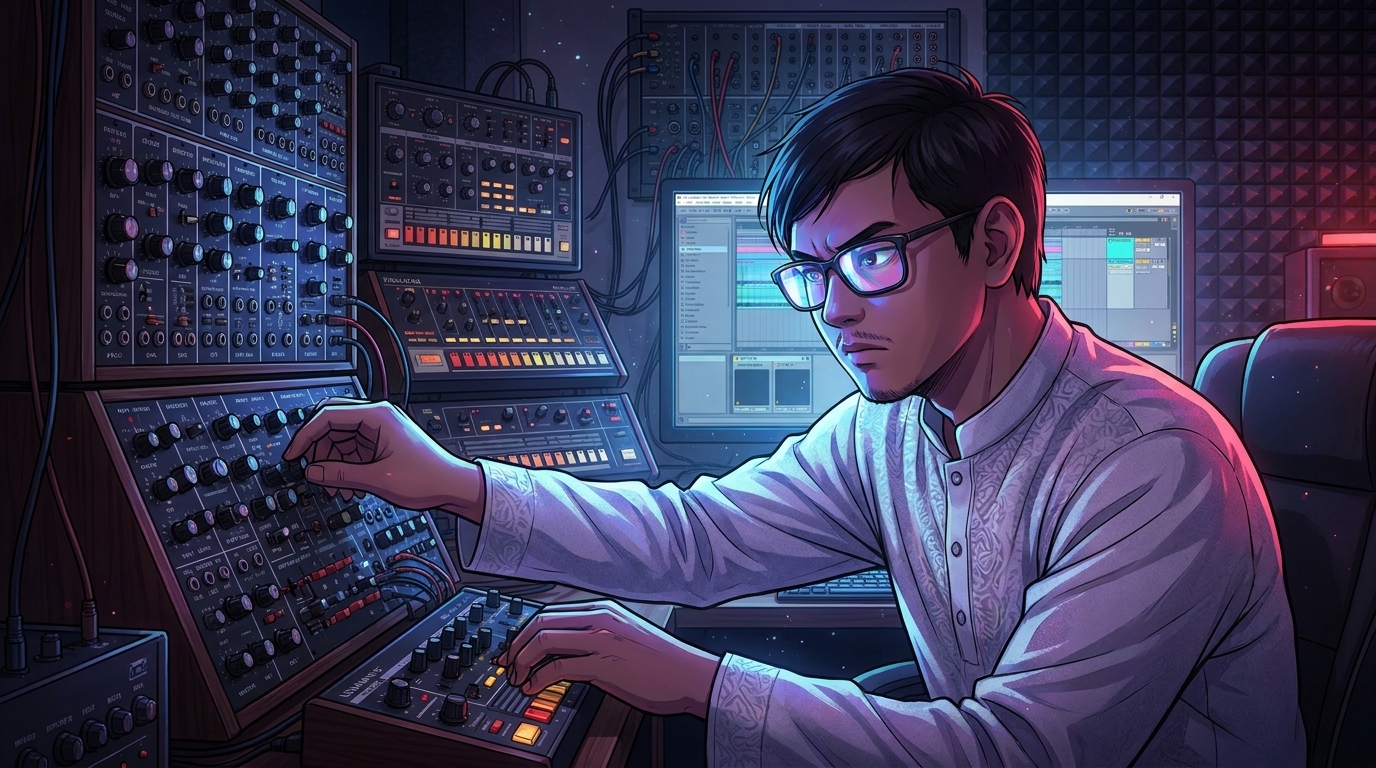
Constructing a personal production environment requires a highly strategic balance between historical authenticity and modern efficiency. The ideal contemporary studio functions as a hybrid ecosystem, blending the tactile advantages of analog hardware with limitless digital processing power. Approaching the assembly of this space with an investigative mindset ensures that every piece of equipment serves a distinct functional purpose. Carefully curating a setup prevents gear from acting merely as expensive, aesthetic studio decoration, guaranteeing that every signal path directly contributes to the final creative vision.
Identifying your core workflow serves as the critical first step in this process. A versatile setup might feature an analog synthesizer for warm basslines, a dedicated drum machine for rhythmic inspiration, and a powerful computer managing the entire system. This hybrid approach caters directly to tech enthusiasts who appreciate complex systems integration. To fully unleash your sound, integrating classic electronic music instruments requires robust audio interfaces and reliable MIDI clock synchronization. Ensuring flawless communication between the digital brain and analog components remains absolutely vital.
High-quality analog-to-digital converters allow producers to route audio out of the computer, process it through vintage gear, and record it back seamlessly. Evaluating workspace ergonomics also remains essential; hardware must stay easily accessible to encourage spontaneous musical interaction. Proper acoustic treatment and premium cabling transform a disparate collection of instruments into a highly cohesive, inspiring production suite. Building custom templates within your digital audio workstation further streamlines the creative process, allowing inspiration to flow without being hampered by technical routing obstacles.
Industry professionals highly recommend that beginners start with a streamlined, focused setup. Mastering one specific piece of hardware before expanding a collection prevents creative paralysis. This methodical approach ensures that the pursuit of new equipment never supersedes the actual creation of music. Intentional, well-researched acquisitions empower producers to cultivate personalized creative environments that remain technologically advanced. Honoring the profound legacy of pioneering machines pushes the ultimate boundaries of modern electronic sound forward, guaranteeing that electronic music will continue to evolve and inspire future generations.