
This post is also available in: Indonesia (Indonesian)
The integration of artificial intelligence into the retail sector has fundamentally altered consumer purchasing habits, establishing the personal shopping assistant as a critical tool in the modern digital marketplace. Valued at approximately $3.5 billion in 2023, the global artificial intelligence beauty market is projected to reach $14.05 billion by 2031, according to industry reports. This rapid expansion is driven by a consumer demand for hyper-personalization, effectively collapsing the traditional sales funnel. A modern personal shopping assistant utilizes generative artificial intelligence to analyze individual consumer data, replacing generalized cosmetic advice with algorithmic precision. The technology evaluates specific user inputs to generate highly targeted product suggestions, transforming the digital storefront into a responsive, individualized environment.
Retail technology analysts report that 70 percent of consumers in the United States now prefer targeted solutions over mass-market cosmetic items. The implementation of an AI beauty shopping assistant addresses this demand by conducting multi-turn conversations and real-time product comparisons. These systems evaluate environmental factors such as ultraviolet exposure and local humidity, alongside individual physiological data. Consequently, the digital shopping infrastructure transitions from a novelty feature to a mandatory component of digital commerce operations. Retailers recognize that deploying these sophisticated algorithms is necessary to maintain market share and meet escalating consumer expectations regarding digital service standards.
The core functions of a personal shopping assistant in retail
The primary objective of a digital retail agent is to reduce consumer choice paralysis while increasing overall transaction accuracy. A personal shopping assistant processes vast amounts of inventory data instantly, aligning consumer preferences with precise chemical formulations. This technology significantly reduces product return rates by ensuring that shoppers purchase items suitable for their specific requirements. By eliminating the guesswork traditionally associated with cosmetic purchases, the algorithmic system increases the probability of immediate consumer satisfaction. The automated nature of these interactions allows retailers to provide consultative services at a scale previously impossible with human associates alone.
Industry metrics indicate that digital matching tools improve retail conversion rates by up to 30 percent. Retailers utilizing an interactive chat assistant to provide real-time, personalized recommendations for various products observe extended session times and increased consumer loyalty. Platforms like Pick it Quick demonstrate this functionality, functioning as a comprehensive digital shopping assistant to make shopping effortless for digital consumers. By integrating these conversational algorithms, retailers secure a direct line of communication with the buyer. This direct engagement generates valuable first-party data, informing future product development and inventory management strategies based on empirical consumer behavior.
The architecture of these digital systems relies on complex machine learning algorithms. Developers train these models using millions of data points, including consumer reviews, ingredient lists, and dermatological research. As a result, the personal shopping assistant can process queries that require nuanced understanding, such as distinguishing between hydration needs for dry skin versus dehydrated skin. This analytical depth provides a level of service that mirrors professional consultations. The continuous ingestion of new data ensures that the machine learning models improve their accuracy over time, adapting to emerging cosmetic trends and newly discovered chemical formulations.
Data privacy remains a central consideration in the deployment of these technologies. Consumers must input sensitive biometric and lifestyle data to receive accurate assessments. Regulatory frameworks require retailers to anonymize and secure this information to protect consumer privacy. Companies that transparently manage data privacy often see higher engagement rates, as users feel secure interacting with the algorithmic systems. Establishing trust is a fundamental prerequisite for the successful adoption of automated retail technologies, requiring stringent cybersecurity protocols and clear communication regarding data utilization policies.
How the personal shopping assistant operates as a virtual skincare advisor
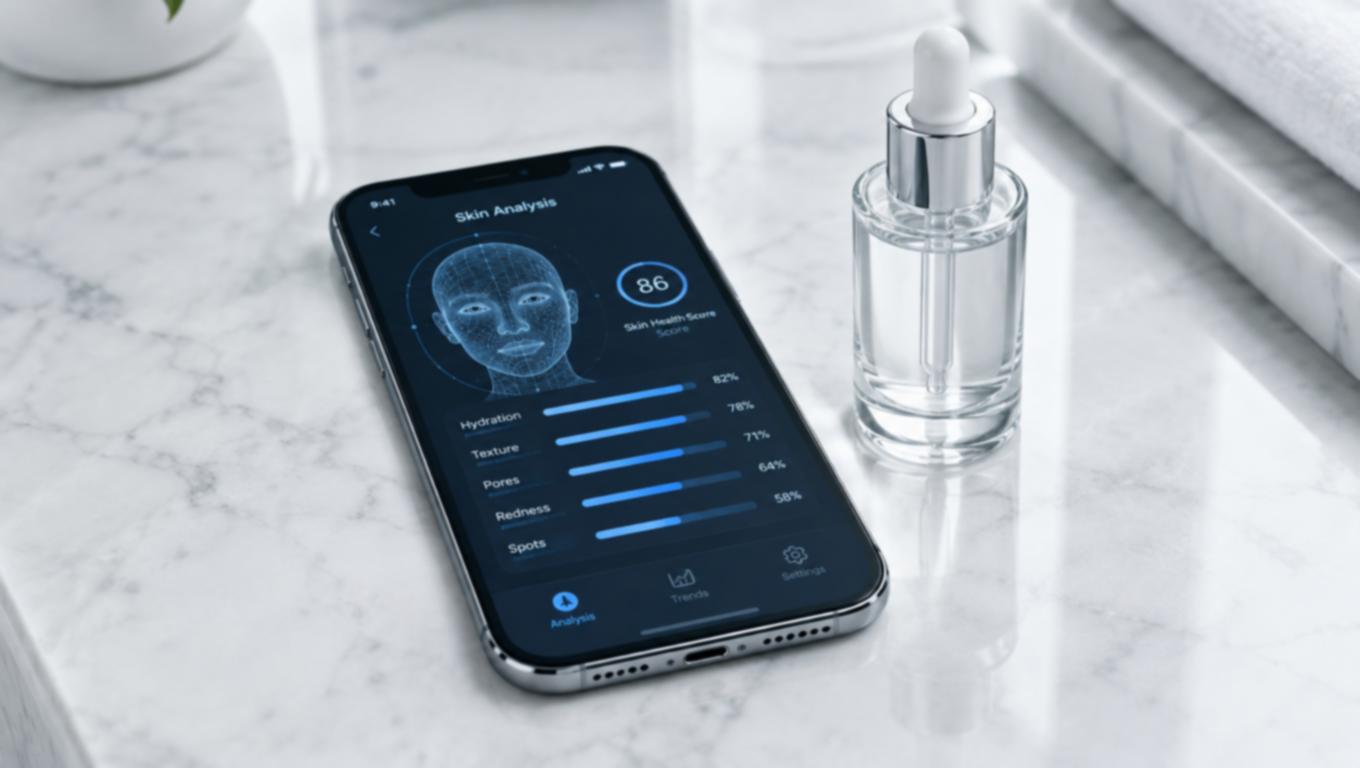
A critical subset of retail technology focuses on dermatological analysis. When a personal shopping assistant operates as a virtual skincare advisor, it employs facial mapping and biometric scanning to evaluate dermatological health. The software identifies localized concerns, including hyperpigmentation, hydration levels, and fine lines, providing a clinical assessment previously available only through physical consultations. This optical analysis translates visual data into actionable metrics, allowing the algorithm to categorize the severity of various dermal conditions accurately. The diagnostic capability removes consumer subjectivity from the evaluation process, resulting in more appropriate product selections.
The virtual skincare advisor cross-references this biometric data against extensive dermatological databases. This process yields empirical product matches rather than subjective suggestions. Market researchers project that the smart skincare segment, encompassing these analytical tools, will expand to $101.5 billion by 2035. Establishing a flawless base routine requires this level of precision to ensure active ingredients address the correct physiological issues without causing adverse reactions. The automated system strictly filters out incompatible formulations, safeguarding the consumer from potential chemical irritations while optimizing therapeutic outcomes.
Beyond initial diagnostics, the virtual skincare advisor monitors progress over time. Consumers upload periodic photographic updates, allowing the software to track the efficacy of recommended products. If the algorithm detects stalled progress or adverse reactions, it recalibrates the suggested product list. This continuous feedback loop ensures that the consumer receives dynamic, adaptive support rather than a static product recommendation. Tracking long-term data also assists retailers in understanding product performance across varying demographics, providing valuable insights for future inventory curation and private-label manufacturing decisions.
Sourcing cosmetic recommendations through advanced technology
Artificial intelligence has equally transformed the color cosmetics sector through advanced simulation technology. Augmented reality applications provide personalized makeup recommendations by superimposing pigments onto a live video feed of the consumer. This simulation process, commonly known as virtual try-on technology, achieves high accuracy in color matching by compensating for ambient lighting conditions and device screen calibrations. The mathematical rendering of light and shadow ensures that the digital pigment accurately reflects how the physical product will appear under various environmental conditions, bridging the gap between digital representation and physical reality.
These personalized makeup recommendations allow consumers to evaluate multiple shades of foundation, lipstick, and eyeshadow without physical product testing. This capability directly correlates to a decrease in e-commerce return rates, as buyers confirm color compatibility prior to completing a transaction. Consumers exploring artistic expression tutorials increasingly rely on these digital testing environments to select complex color palettes. The digital testing environment accelerates the purchasing decision by immediately resolving uncertainties regarding pigment intensity and skin undertone compatibility, streamlining the digital checkout process.
The underlying technology powering these simulations includes advanced facial landmark tracking. This software maps dozens of points on the human face, ensuring that digital pigments move naturally with the user’s expressions. The precision of personalized makeup recommendations depends entirely on this tracking capability, as misalignment breaks the illusion and reduces consumer confidence in the suggested product. Engineers continuously refine these tracking algorithms to account for varying facial topographies, ensuring that the digital overlay remains stable during user movement and variations in camera angles.
Furthermore, these systems adapt to inclusive beauty standards. Machine learning models are increasingly trained on diverse datasets encompassing a wide spectrum of skin tones, undertones, and facial structures. This diversity ensures that personalized makeup recommendations are accurate for all demographic groups, mitigating the historical bias often present in earlier iterations of cosmetic technology. By prioritizing representative data sets, retailers can serve a broader global audience effectively, ensuring that digital retail solutions remain equitable and accessible to all prospective buyers regardless of their specific physical characteristics.
Integrating the personal shopping assistant into daily routines
Retailers are shifting their commercial strategy from single-item transactions to comprehensive regimen building. The integration of a personal shopping assistant with an AI skincare routine builder facilitates this transition by proposing a sequential application of products. The system formulates a multi-step regimen, ensuring that recommended cleansers, serums, and moisturizers possess compatible active ingredients. This systematic approach guarantees that consumers apply products in the correct order, maximizing the absorption and efficacy of each formulation while minimizing the risk of chemical degradation.
An AI skincare routine builder evaluates the chemical stability of combined products, preventing adverse reactions caused by conflicting acids or retinoids. This methodical approach increases the average basket size for retailers while providing the consumer with a cohesive treatment plan. Proper formulation adherence is essential for long-term dermatological health, a concept reinforced by pro-level skin prep rituals. The automated builder dynamically adjusts the regimen as the user reports changes in skin condition or seasonal environmental shifts, maintaining optimal dermatological health throughout the year.
The economic advantage of the AI skincare routine builder lies in its ability to cross-sell products naturally. When a consumer inputs a primary concern, such as hyperpigmentation, the software identifies a targeted serum. However, it also explains the necessity of a complementary sunscreen to protect the skin during treatment. This educational approach justifies the purchase of multiple items, aligning commercial objectives with consumer education. Consequently, the retailer achieves higher sales volumes without resorting to aggressive marketing tactics, relying instead on logical, scientifically backed recommendations.
Ingredient transparency is a critical component of this process. The builder software cross-references individual product formulations against a database of known allergens and irritants. If a user indicates a sensitivity to synthetic fragrances, the system automatically filters out non-compliant items. This computational filtration is significantly faster and more accurate than manual label reading, cementing the tool’s utility in the digital marketplace. Consumers benefit from this rigorous screening process, experiencing fewer adverse reactions and developing higher confidence in the retailer’s inventory curation.
Evaluating the infrastructure of a personal shopping assistant
To maintain real-time responsiveness, retailers utilize cloud-based computing architectures. The personal shopping assistant must query vast databases instantaneously, delivering results without noticeable latency. Delays in the chat interface or simulation rendering directly correlate with increased cart abandonment rates. Consequently, technological infrastructure is as critical as the accuracy of the algorithm itself. Robust server capacities and optimized data transmission protocols are required to handle the high volume of parallel queries during peak commercial periods, preventing system failures that disrupt the digital shopping experience.
Integration with existing e-commerce platforms presents a significant logistical challenge. Retailers must synchronize their inventory management systems with the artificial intelligence software. If a personal shopping assistant recommends an out-of-stock item, the consumer experience degrades immediately. Therefore, seamless application programming interface connections are required to ensure that only available products are suggested during the consultation process. This synchronization ensures that the digital advisor operates with accurate operational data, preventing logistical bottlenecks and maintaining the integrity of the consumer supply chain.
The economic impact of the personal shopping assistant
The deployment of algorithmic retail tools represents a substantial financial investment for the cosmetics industry. An industry analysis by McKinsey and Company highlights the accelerating integration of digital commerce technologies across global markets. The broader market for digital assistants is expected to reach $19.91 billion by 2030, underscoring the commercial viability of automated retail technologies. Corporations allocate significant portions of their capital expenditure toward developing these systems, recognizing them as essential components for long-term commercial sustainability.
The reliance on a personal shopping assistant alters traditional marketing expenditures. Brands reallocate capital from physical sampling programs toward developing proprietary generative artificial intelligence models. By late 2025, a significant percentage of digital shoppers reported utilizing automated systems for product research. As algorithmic accuracy improves, the personal shopping assistant will remain a foundational element of global retail architecture. This technology dictates consumer engagement methodologies and defines the operational parameters for the future of the digital commercial landscape.