This post is also available in: Indonesia (Indonesian)
A personal shopping assistant powered by artificial intelligence has transformed e-commerce by providing tailored product recommendations through real-time data analysis. Retail platforms currently utilize these digital tools to match consumer profiles with specific product specifications, increasing accuracy in purchasing decisions. This technology evaluates variables such as athletic experience, physical requirements, and budget constraints to filter extensive catalogs automatically. The integration of a digital personal shopping assistant enables consumers to bypass overwhelming search results and receive targeted suggestions that align with their exact needs. Shoppers gain immediate access to curated lists that reflect their individual preferences accurately.
Market analysts report that digital retail companions have moved beyond experimental phases to become standard fixtures in modern online shopping environments. A comprehensive industry overview by the National Retail Federation indicates that consumer adoption of digital assistance tools increased significantly over recent fiscal quarters. The report notes that shoppers increasingly expect artificial intelligence to streamline their discovery process and reduce research time. Organizations investing in these sophisticated platforms observe higher transaction completion rates and elevated customer satisfaction metrics globally. E-commerce vendors deploy these interactive tools to replicate the personalized service historically found exclusively in premium physical retail locations.
Core functions of a personal shopping assistant
The fundamental architecture of a modern personal shopping assistant relies on generative artificial intelligence and multimodal data processing capabilities. These complex systems analyze text inputs, voice commands, and uploaded images simultaneously to comprehend precise consumer intent. Shoppers interacting with these automated platforms receive instant product comparisons, technical compatibility checks, and inventory availability updates. The underlying technology functions as a centralized advisory system that bridges the knowledge gap between complex product specifications and novice consumer understanding. Consumers no longer need to spend countless hours researching technical terminology to make an educated purchase.
When analyzing specialized sporting goods, an AI personal shopping assistant processes hundreds of technical specifications in milliseconds to present optimal choices. Retailers integrate these robust tools to prevent consumer fatigue during the critical research phase of athletic equipment acquisition. The digital guide cross-references user inputs against manufacturer data, current market trends, and verified customer performance reviews. This highly analytical approach eliminates subjective guesswork and provides a documented rationale for every suggested item in the catalog. Buyers feel more confident executing transactions when supported by empirical data and logical reasoning.
Integrating an AI personal shopping assistant in retail
Digital shopping assistants categorize vast global inventories into manageable segments based on individualized consumer profiles and behavioral patterns. Users engaging with the Pick it Quick platform experience this efficiency firsthand, as the interactive chat assistant provides real-time, personalized recommendations for various products. This specific capability makes shopping effortless by translating dense technical jargon into highly accessible language for hobbyists and tech enthusiasts. The digital platform operates as a personal digital assistant for effortless shopping, delivering expert guides alongside curated product suggestions. Shoppers access vital maintenance tips and setup tutorials seamlessly through a unified interface.
Advanced retail algorithms prioritize fundamental safety and performance metrics when recommending athletic equipment to novice practitioners. The automated system strictly isolates products designed specifically for entry-level use, filtering out advanced professional models that could impede skill development or cause physical injury. Consumers benefit directly from this objective filtration, as it prevents the common strategic error of purchasing visually appealing but functionally inappropriate equipment. Data-driven guidance ensures that buyers invest capital only in items that genuinely match their current skill level and long-term developmental goals. This precise alignment prevents premature equipment abandonment.
Analyzing how to choose a padel racket through a personal shopping assistant
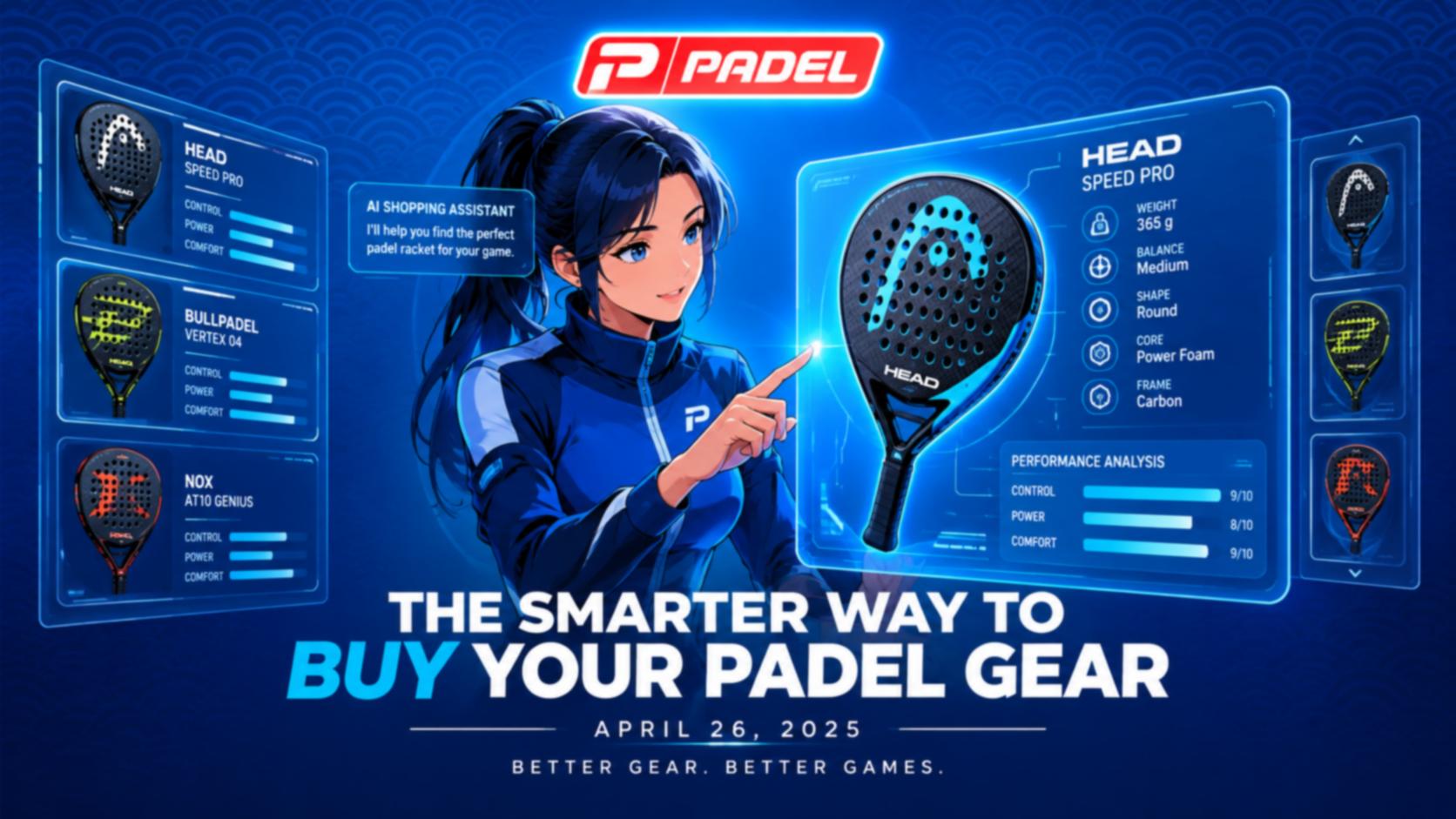
Understanding how to choose a padel racket requires analyzing multiple structural variables, which a personal shopping assistant simplifies automatically. The interactive digital tool evaluates the primary pillars of racket construction, including geometric shape, overall weight, balance distribution, and core foam materials. Beginners must prioritize absolute control and physical comfort over raw striking power to develop proper foundational technique safely. The recommendation algorithm directs new players to observe specific structural guidelines:
- Select a round racket shape for maximum forgiveness.
- Prioritize a lightweight frame to reduce muscular fatigue.
- Choose a soft foam core for superior vibration dampening.
This geometric design remains the most forgiving configuration for off-center ball strikes.
Strategic weight distribution heavily influences amateur athletic performance and critical injury prevention on the recreational court. An intelligent personal shopping assistant typically recommends lighter structural frames ranging from 340 grams to 365 grams for absolute beginners. These lighter composite models reduce muscular arm fatigue and allow for substantially faster reaction times during rapid exchanges at the net. The digital guide actively advises against head-heavy diamond shapes, explicitly noting their documented tendency to strain the wrist and elbow of untrained users. Proper weight selection remains paramount for sustained athletic participation and enjoyment.
Material and shape recommendations from a personal shopping assistant
A reliable personal shopping assistant analyzes internal construction materials to ensure optimal vibration dampening for inexperienced new players. The internal system automatically filters retail catalogs for flexible fiberglass surfaces and soft polyethylene foam cores. These specific synthetic materials provide exceptionally high elasticity, assisting the recreational player in generating ball depth with minimal physical exertion. Rigid carbon fiber components are generally reserved for intermediate recommendations, as they require significantly greater striking precision to perform effectively during competition. Algorithmic sorting prevents novices from acquiring rigid frames that exacerbate joint stress.
Consumers utilizing a virtual shopping assistant receive comprehensive comparative breakdowns of various material combinations and their direct impact on dynamic gameplay. The user interface presents these intricate technical details clearly, allowing prospective buyers to understand exactly why a specific fiberglass composite suits their physiological profile. This entirely objective presentation of facts removes deceptive marketing bias from the critical purchasing equation. Shoppers execute highly informed choices based entirely on documented structural suitability and personal physical constraints. Transparency in algorithmic reasoning builds long-term loyalty between the consumer and the digital retail platform.
Evaluating the best padel rackets for beginners 2026
Industry manufacturing forecasts indicate that the best padel rackets for beginners 2026 will integrate advanced vibration reduction technologies and sustainable organic composites. Sporting goods manufacturers are currently developing softer foam variants that maximize kinetic energy return while minimizing repetitive joint stress. Digital retail platforms have already begun cataloging these upcoming conceptual models, preparing sophisticated algorithms to match them seamlessly with incoming consumer queries. The upcoming generation of entry-level equipment promises unprecedented physical comfort and structural durability for novice athletes worldwide. Shoppers relying on automated guidance will discover these modern innovations immediately upon market release.
Future sports equipment trends highlight an inevitable shift toward hybrid structural materials that offer the forgiveness of fiberglass combined with the lasting structural integrity of carbon. Retail tracking algorithms monitor these global manufacturing developments continuously to update their dynamic recommendation engines automatically. Players seeking reliable new gear in the upcoming competitive seasons will find that digital guides heavily prioritize models featuring advanced ergonomic grips and aerodynamic hole patterns. These precise engineering innovations aim specifically to accelerate the complex learning curve for amateur athletic participants globally. Algorithmic awareness ensures that consumers never purchase obsolete technology.
Future capabilities of the virtual shopping assistant
The rapid evolution of the virtual shopping assistant points directly toward fully autonomous retail experiences that anticipate distinct consumer needs before explicit queries even occur. Machine learning models systematically analyze historical purchase data, seasonal weather trends, and contextual geographic information to generate highly proactive equipment suggestions. An amateur athlete purchasing entry-level gear may receive automated digital recommendations for replacement synthetic grips or upgraded court footwear exactly when those specific items typically wear out. This remarkable predictive capability transforms the digital tool from a simple reactive search engine into a proactive lifestyle management system.
Rigorous security protocols and data privacy frameworks remain absolutely paramount as these predictive algorithms become more deeply integrated into daily consumer habits. Software developers implement strict mathematical encryption protocols to protect sensitive user measurements, precise location data, and private financial information. Transparent digital consent frameworks allow modern shoppers to dictate precisely how their personal data informs the automated recommendation process. Maintaining absolute consumer trust remains categorically essential for the continued global expansion of algorithmic retail assistance across international markets. Retailers prioritizing secure data handling experience significantly higher adoption rates among privacy-conscious demographics.
Selecting a personal shopping assistant for lifestyle optimization
A comprehensive personal shopping assistant extends its functional utility far beyond isolated single purchases to encompass broader lifestyle enhancement and routine optimization. Users increasingly rely on these sophisticated digital tools to coordinate highly complex setups, ranging from complete sports equipment bundles to intricate smart home networking configurations. The analytical technology identifies perfectly compatible technical accessories, ensuring that consumers acquire absolutely everything necessary for their chosen activity in a single streamlined transaction. This highly holistic approach to modern online retail effectively eliminates the common frustration of incompatible product deliveries and incomplete order fulfillments. Consumers read related industry content to further optimize their routines, as detailed in How a virtual personal shopper elevates your padel game from day one and Effortless online shopping: Analyzing digital assistance.
Automated digital assistance represents the definitive, inevitable future of consumer technology integration and global e-commerce navigation. The strictly objective analysis provided consistently by these intelligent tools empowers global buyers to navigate highly saturated retail markets with absolute logistical confidence. Individuals actively seeking to optimize their personal purchasing strategies benefit substantially from adopting algorithmic guidance for their daily consumer needs. Shoppers equipped with advanced artificial intelligence consistently make mathematically superior logistical decisions while simultaneously conserving extremely valuable personal time and financial resources. Retail evolution guarantees that algorithmic assistance will constantly govern future commerce efficiently.