
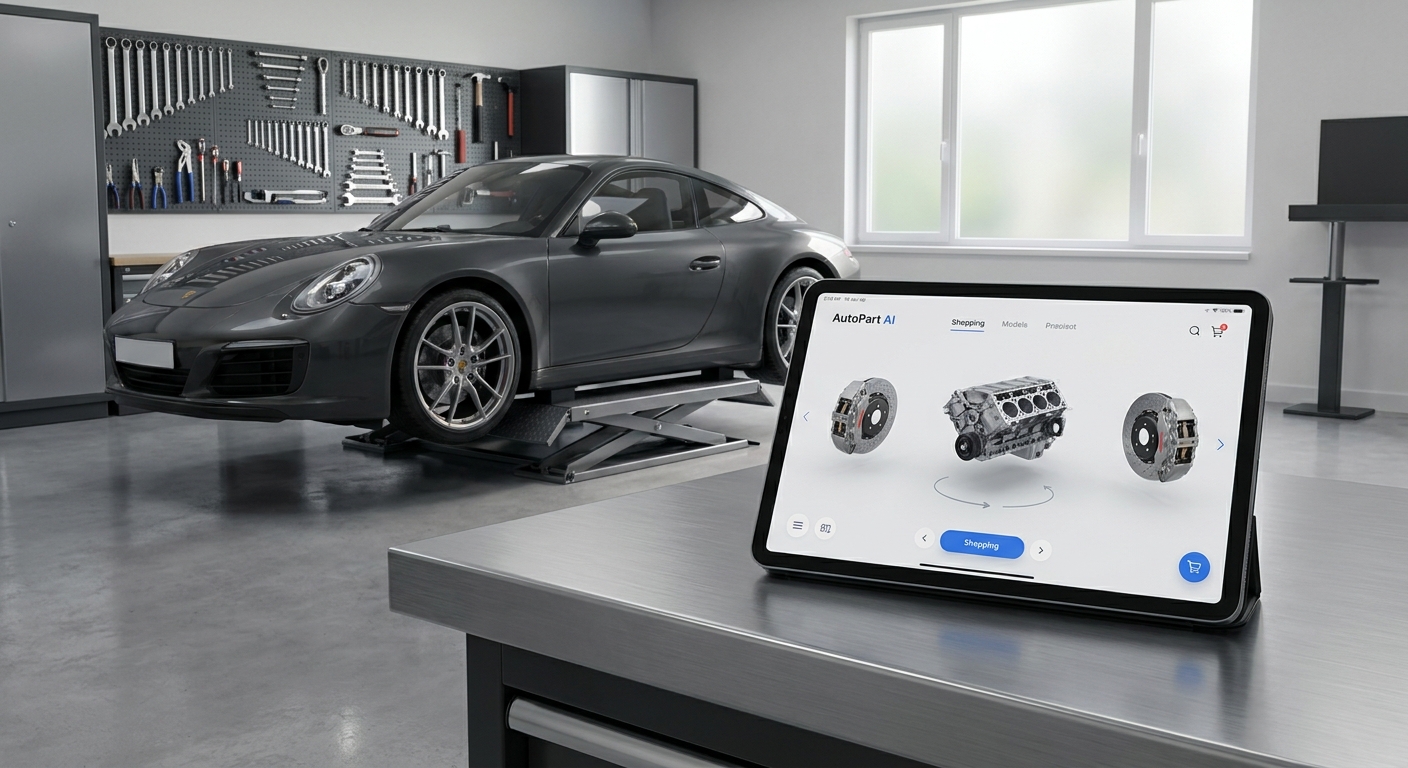
Automated part matching in modern retail
Artificial intelligence fundamentally transforms how consumers procure equipment for vehicle upkeep. By integrating advanced machine learning algorithms into the retail ecosystem, digital platforms replace traditional guesswork with highly precise recommendations. Automated part matching serves as the cornerstone of this technological shift, allowing hobbyists and mechanics to access accurate components instantly. These sophisticated systems analyze vehicle specifications and user skill levels to deliver tailored guidance. Consequently, individuals can transition from reactive repairs to proactive maintenance strategies, managing their vehicles confidently from home. Platforms like Pick it Quick demonstrate this evolution, providing curated component suggestions alongside expert tutorials. Intelligent algorithms process vast datasets, including compatibility matrices and digital manuals, to streamline the entire acquisition process. Consumers receive precise direction, enabling them to execute technical tasks safely while optimizing their financial expenditures and extending the operational lifespans of their mechanical assets.
How automated part matching utilizes machine learning
At the core of the modern consumer experience, intelligent algorithms rely on complex natural language processing to deliver accurate results. Automated part matching systems continuously evaluate extensive data points, analyzing search behavior, historical purchases, and real-time inventory fluctuations. When a user requests specific components, the underlying architecture cross-references the inquiry against massive specification databases. This rigorous verification ensures that digital platforms identify only products meeting the exact engineering tolerances required by the vehicle manufacturer.
The integration of interactive chat interfaces further refines this procurement process by simulating a consultative environment. Buyers articulate their mechanical goals or detail specific vehicle symptoms using conversational language. Artificial intelligence parses these inputs, identifies core mechanical issues, and presents a curated list of necessary tools. This dynamic interaction drastically reduces the time users spend navigating disparate catalogs. Furthermore, these predictive retail networks learn from every interaction, continually enhancing the accuracy of future recommendations and predictive retail algorithms shaping modern buying habits.
By automating the curation process, digital assistants mitigate the cognitive load placed on the buyer. The technology eliminates incompatible components, inferior materials, and irrelevant accessories to present a highly streamlined interface. This algorithmic curation proves vital in specialized niches where minor errors cause severe mechanical failures. Consequently, these intelligent frameworks establish absolute reliability, ensuring enthusiasts trust the digital procurement process to support their independent maintenance endeavors. The architecture also leverages collaborative filtering to analyze purchasing patterns across demographic groups. If specific consumers frequently buy synthetic motor oil alongside a high-efficiency filter, the system naturally groups these items for new users displaying similar intent.
Overcoming fitment obstacles with automated part matching
Procuring components for complex repairs historically presents significant compatibility challenges for buyers. The automotive industry produces millions of unique parts, engineered for distinct makes, models, and production years. A minor discrepancy in a part number often results in acquiring an incompatible component, leading to delayed repairs and increased frustration. Automated part matching addresses this fundamental friction point by employing deterministic algorithms that link vehicle identification data directly to supplier inventory networks.
When utilizing comprehensive digital tools, consumers simply input their specific vehicle parameters. The artificial intelligence immediately filters the entire e-commerce ecosystem, isolating components guaranteed to integrate with that precise architecture. By analyzing complex vehicle identification sequences, these systems extract exact trim and transmission details instantly. This capability removes the technical barriers that traditionally discourage individuals from attempting independent repairs. The technology fosters a secure purchasing environment where users confidently invest in everything from basic air filters to intricate ignition modules.
Furthermore, intelligent systems cross-reference manufacturer technical service bulletins and engineering revisions. If newer iterations supersede a specific component due to recognized design flaws, the platform automatically adjusts to present the updated part. This level of technical oversight previously required direct consultation with professional dealership networks. Modern developers seamlessly integrate these capabilities into the consumer interface. The algorithms also evaluate spatial requirements, recommending specialized hand tools necessary to access confined engine areas. Through this rigorous approach, technology neutralizes the primary obstacle of independent maintenance. The elimination of these compatibility issues directly minimizes product returns, boosting overall operational efficiency.
Upgrading residential workshops via intelligent sourcing
Accessible technical information and precise component availability actively shift consumer behavior toward systematic vehicle care. Proactive maintenance involves inspecting and replacing components before they experience catastrophic failure. Historically, vehicle owners deferred these vital tasks to professional mechanics due to technical uncertainty and complex sourcing procedures. The emergence of sophisticated digital platforms democratizes this knowledge, providing users with actionable tutorials alongside required materials.
Artificial intelligence facilitates this transformation by establishing personalized maintenance schedules based on driving habits and environmental conditions. By analyzing user inputs and telematics data, digital tools project the wear rates of consumable components like brake pads and serpentine belts. Once a component nears the end of its operational lifespan, the system proactively alerts the owner and provides a direct acquisition link. This notification system effectively transforms a standard residential garage into a managed facility, where individuals conduct vehicle upkeep methodically rather than reactively.
The execution of independent maintenance heavily relies on structured, step-by-step guidance. Modern systems frequently pair automated part matching with highly specific instructional content. When a buyer purchases spark plugs, the platform simultaneously delivers the correct torque specifications required for their exact engine configuration. This holistic approach ensures consumers acquire physical components alongside the engineering data required to execute procedures safely. By bridging the gap between procurement and execution, artificial intelligence empowers individuals to maintain mechanical integrity independently.
The economic impact of automated part matching
The transition toward technology-assisted vehicle maintenance generates substantial economic benefits for the consumer. Professional repair facilities carry significant overhead costs, including specialized diagnostic equipment leases and skilled labor rates. Businesses inherently pass these expenses to the consumer, drastically inflating the overall cost of routine upkeep. By leveraging automated part matching to source materials directly, individuals bypass these associated charges, achieving remarkable financial efficiency.
Systematic vehicle care fundamentally relies on the principle of avoiding catastrophic mechanical failures. The financial dynamics of ownership dictate that replacing a worn timing belt proactively requires a fraction of the capital necessary to replace a destroyed engine. Artificial intelligence excels at mitigating these severe financial risks by ensuring owners adhere to manufacturer-specified intervals. Precise algorithmic tracking guarantees that critical components receive timely replacement, protecting highly expensive primary mechanical systems.
Digital procurement platforms introduce high levels of price transparency and market competition. Intelligent algorithms scan multiple distribution networks simultaneously, evaluating dynamic pricing models and shipping logistics to secure favorable financial outcomes. For broader insights into these sophisticated financial dynamics, readers can explore research detailing strategic applications of artificial intelligence in aftermarket pricing. This comprehensive market analysis ensures enthusiasts avoid localized markups frequently found at regional retailers. The system differentiates between original equipment manufacturer components and high-quality aftermarket alternatives, presenting a clear cost-benefit analysis based on intended applications.
Streamlining procurement for automotive enthusiasts
The architecture of a highly cohesive retail experience demands the total elimination of friction between initial intent and final acquisition. For hobbyists engaging in comprehensive restorations, this frictionless environment remains critical to maintaining project momentum. Artificial intelligence streamlines this process by establishing intuitive interfaces that anticipate the complex logistical requirements of extensive mechanical endeavors. Platforms focus on the evolution of interactive digital shopping assistants for effortless product discovery, ensuring procurement remains strictly informative and logical.
A core component of this experience involves centralizing technical data and commercial inventory. In previous eras, hobbyists crossed-referenced physical repair manuals with fragmented online catalogs to verify part numbers. The modern ecosystem consolidates these disparate data streams into a single unified dashboard. When a user queries a specific upgrade path, the platform immediately curates a comprehensive package. This package includes primary hardware, required mounting brackets, specialized tools, and digital installation manuals.
This holistic approach prevents the common scenario where a maintenance project halts midway due to missing gaskets or overlooked fasteners. Advanced artificial intelligence models the entire installation sequence computationally, identifying every peripheral component required to complete the task successfully. By presenting comprehensive solutions, automated part matching removes the administrative burden of project planning. The hobbyist dedicates their primary focus to the physical execution of the upgrade, greatly enhancing overall satisfaction.
Achieving technical accuracy through automated part matching
The efficacy of any mechanical intervention relies entirely on the precision of the tools and components utilized. Artificial intelligence introduces unprecedented algorithmic precision into the matching process, fundamentally elevating home-based care standards. When buyers access platforms dedicated to tuning, neural networks evaluate the metallurgical properties and dimensional tolerances of available products. This exhaustive evaluation ensures that every recommendation meets or exceeds the original engineering specifications established by the manufacturer.
This precision proves critically important when addressing specialized systems like electronic fuel injection or computerized braking mechanisms. These systems require tools calibrated to specific digital thresholds. Advanced diagnostic co-pilots analyze trouble codes output by onboard computers, immediately identifying the exact proprietary scanner necessary to interface with malfunctioning modules. By matching precise diagnostic requirements with exact technical tools, the technology eliminates the costly practice of acquiring substandard equipment through trial and error.
Furthermore, algorithmic precision extends to identifying complementary chemical compounds necessary for maintenance. The system accurately pairs synthetic oils with corresponding high-flow filters while recommending exact formulations of dielectric grease required for specific assemblies. This granular attention prevents galvanic corrosion, premature wear, and thermal breakdown within the engine bay. By dictating the precise application of both mechanical hardware and chemical agents, the platform guarantees a professional-grade repair outcome.
The future of digital retail and automated part matching
The integration of sophisticated artificial intelligence into the retail sector fundamentally redefines how consumers approach procurement. By deploying advanced digital frameworks, e-commerce platforms successfully eliminate traditional barriers of technical uncertainty and component incompatibility. This technological evolution guarantees a highly efficient experience, allowing buyers to rapidly source the precise tools and guidance required for specific applications. The transition toward independent maintenance represents a significant shift in consumer empowerment.
Through the consistent application of proactive vehicle care, owners secure substantial financial savings while extending the operational longevity of their mechanical assets. Modern platforms facilitate this approach by operating as comprehensive digital guides, seamlessly bridging the gap between expert tutorials and commercial acquisition. By relying on objective, data-driven analysis rather than guesswork, automated part matching establishes a secure framework for independent mechanical projects.
Ultimately, the fusion of intelligent retail technology with vehicle upkeep transforms the residential garage into a highly capable environment. Enthusiasts and everyday drivers execute complex procedures with absolute confidence and precision. As neural networks continue to evolve, these systems will offer even deeper integration with onboard diagnostics and smart garage ecosystems. This ongoing innovation ensures that digital procurement remains an indispensable asset for navigating the complexities of modern mechanical ownership.